


Wildlife shapes how ecosystems store carbon, move nutrients, recover from disturbance, and remain resilient as conditions change, yet this is seldom considered during negotiations over climate change policy.
A new initiative seeks to bring animals into the climate conversation.
“If governments are designing climate strategies, conservation plans, ecosystem models, or nature-based solutions, they should account for wildlife and the ecological roles animals play,” argues a biologist who helped draft the new Scientific Consensus on Wildlife and Climate.
Jérôme Pinti is a senior scientist at the Gulf of Maine Research Institute in the U.S. state of Maine, and was on the drafting committee for the Wildlife and Climate Consensus, which is seeking signatories.
This article is a commentary. The views expressed are those of the author, not necessarily of Mongabay.
When we talk about climate change and wildlife, most people think about the impact of climate change on animals. We see individual organisms struggling to find food and being pushed into new places and environments, with global consequences for species distribution and animal abundances.
What many overlook is the other side of that relationship: Wildlife can help heal our climate. Wild animals help shape how ecosystems store carbon, move nutrients, recover from disturbance, and remain resilient as conditions change.
That is the message behind the new Scientific Consensus on Wildlife and Climate, currently endorsed by more than 300 scientists from around the world, and counting. The consensus makes a simple but important point for climate policy: We should account for wild animals and their ecological roles when designing climate plans, because natural systems are incomplete without the species that help them function.
Climate mitigation conversations typically focus on technology and infrastructure. More recently, we have become better at talking about forests, wetlands, seagrass, and other natural habitats that store carbon. All of those ecosystems matter, but we are sometimes missing an important piece: The animals living in and moving through those systems.
A 2023 paper in Nature Climate Change estimated that protecting and restoring wild animal populations and their ecological roles could increase carbon dioxide uptake by an additional 6.41 gigatons per year. Numbers like that show why animals belong in climate conversations, and how they can be part of climate solutions, with different roles in different ecosystems.
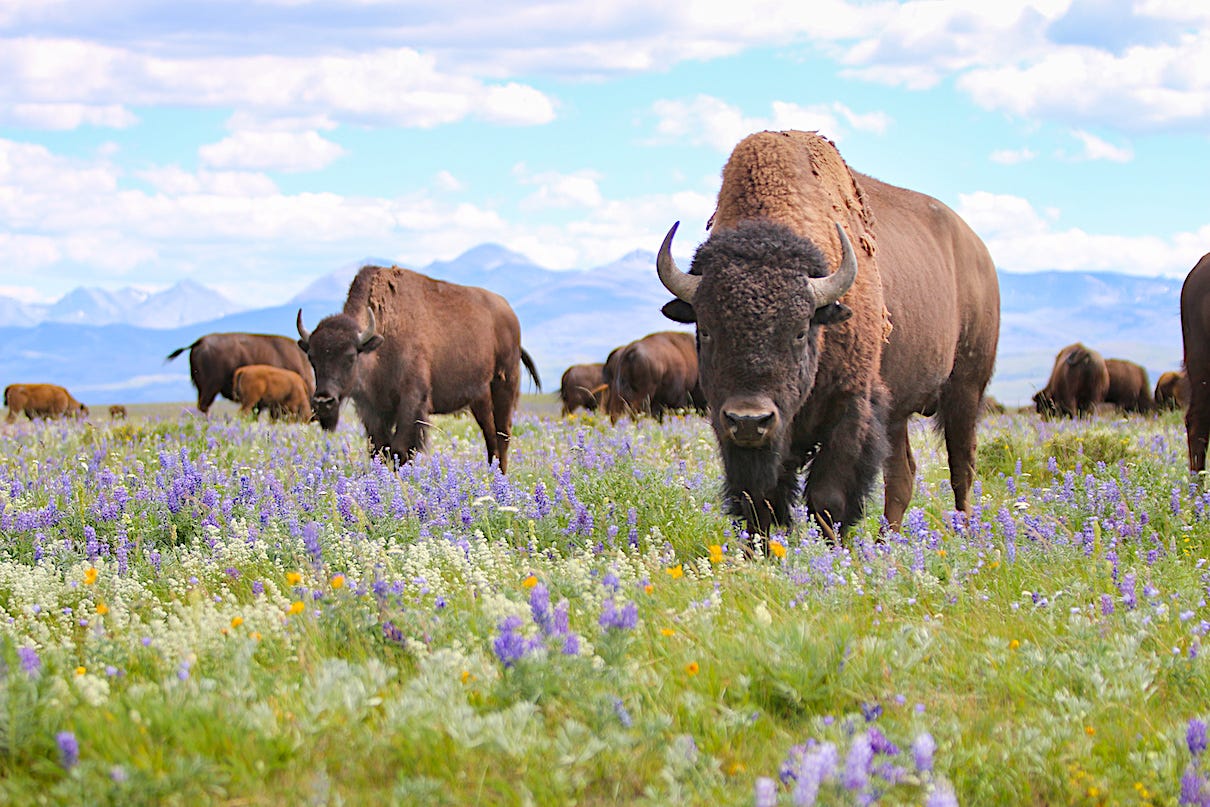
For example, in forests, animals such as elephants disperse seeds and influence where trees grow. In grasslands, grazers such as bison can affect plant growth, nutrient cycling, and fire dynamics. In soils and sediments, burrowing animals can change oxygen and nutrient availability and store energy as they hibernate during tough winter months.
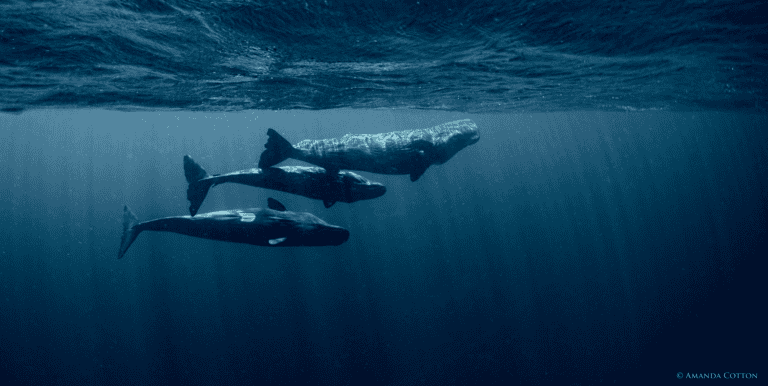
The same is true for the ocean, which is Earth’s largest carbon sink. Marine organisms are active agents of resilience: They transport carbon, build habitats with carbon-rich materials, and tie up carbon in extensive food webs. In my Biological Oceanography Lab at the Gulf of Maine Research Institute, we aim to quantify the importance of zooplankton and fish in the ocean’s biological carbon pump, a process where marine species, from plankton to whales and everything in between, move carbon from the ocean’s surface into the deep sea through a variety of processes.
Among these, one process that fascinates me is diel vertical migration, where zooplankton and fish migrate from the surface to depths of 200–1,000 meters (656 – 3,281 feet) every day. Organisms perform this migration to hide from visual predators during the day and ascend to the surface at night to feed in productive surface waters. As the biggest migration of the planet — in terms of biomass — this process transports organic carbon to the deep ocean, where it is stored for periods of time ranging from decades to millennia.
While protecting wildlife does not reduce the need to cut greenhouse gas emissions in any way, emissions reductions plus habitat restoration and wildlife protection should not be treated as separate conversations. Healthy ecosystems are more resilient. Resilient ecosystems are better able to store carbon, support biodiversity, and keep functioning as conditions change.
The broader message is clear: In many cases, climate assessments and nature-based strategies are incomplete without considering wild animals.
For policymakers, this is a useful and practical idea. If governments are designing climate strategies, conservation plans, ecosystem models, or nature-based solutions, they should account for wildlife and the ecological roles animals play. This is not only about protecting animals, it is also about making climate policy more accurate.
The natural world is active, dynamic, and full of relationships that can support recovery and resilience when we protect them well. On land, in freshwater, and in the ocean, wild animals help keep those relationships working.
Climate planning should reflect that reality. Wildlife should not be treated as background characters or simply victims in the climate story. Animals belong in the models, the assessments, and the plans.
This is the right argument and I hope it gets its signatures. One thing from the policy side, offered to strengthen the ask rather than slow it down.
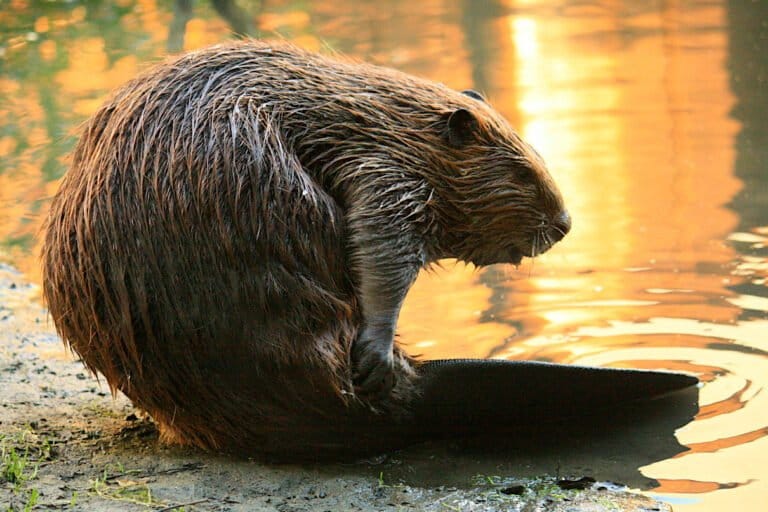
"Account for wildlife" sounds administrative, but it forces a choice the consensus doesn't name. Policy doesn't account for things — it assigns them a status. And a moving animal breaks the frameworks we've got. A forest you can title, meter, and trade. A beaver doesn't hold title to the wetland it builds; the daily migration of zooplankton doesn't file under any jurisdiction. Carbon markets need an asset with a price. The animal isn't one.
So the moment a government says yes, it hits a fork: do you give wildlife standing — a subject with interests — or value, an asset with a price? Those lead to opposite statutes. Standing gets you rights-of-nature law that can hold a mobile animal as a subject. Value gets you a credit market that needs it to sit still and be owned.
The science says animals belong in the models. The harder, more useful question is whether they enter as subjects or as assets — because the whole architecture of the resulting policy depends on which door they come through.
"More recently, we have become better at talking about forests, wetlands, seagrass, and other natural habitats that store carbon" and help keep regulate the water cycles, cloud formation, ... We need to talk about these aspects at least as much as we do about 'decarboising' economy, and probably much more than that. We should go on about it like crazy, as most people in industrialised societies seem to be not yet aware of the role of All Life in maintaining conditions in which Life can thrive.